## The Unexpected Shift
When a chatbot gave me advice to buy a chainsaw, I was taken aback. How did I go from crafting words as a copywriter to considering a tool for cutting wood? This wasn’t just any ordinary career shift; it was a wake-up call in the age of artificial intelligence.
For years, I thrived in the bustling environment of writing, pouring my passion into nonfiction and novels while freelancing. I thought I had a secure future, especially living in Lawrenceburg, Indiana, a town where my family roots run deep. But as the tides of technology shifted, I found myself fighting to stay afloat.
## The Roots of Change
Lawrenceburg, a charming town with a rich history, has seen better days. Once vibrant with factory jobs, it now grapples with the harsh realities of economic decline. As industries vanished, my neighbors faced an increasing sense of despair. They lost jobs and, tragically, many lost their lives to the opioid crisis and soaring suicide rates.
As I settled into my grandmother’s empty farmhouse overlooking the Ohio River, I was more concerned about writing my novel than the struggles around me. But I couldn’t ignore the shadows lurking beneath the quaint façade of my hometown. Just as I thought my writing skills would shield me from the economic storm, the winds of change swept through the marketing world.
## The Rise of AI
I noticed the shift when marketing departments began outsourcing work to contractors overseas. Suddenly, I was competing against talent willing to work for a fraction of my rate. Then, the game changed entirely; artificial intelligence emerged as a formidable adversary. What once required a human touch could now be done by a machine in seconds. Even my transcription work, which I had previously outsourced to an individual in the Philippines, was being overtaken by AI.
As I watched my own profession being transformed by technology, a sense of shock washed over me. I had always empathized with the factory workers who lost their jobs to automation, but somehow, I felt insulated from that fate. Yet, here I was, feeling the sting of obsolescence just like them.
## A New Path Forward
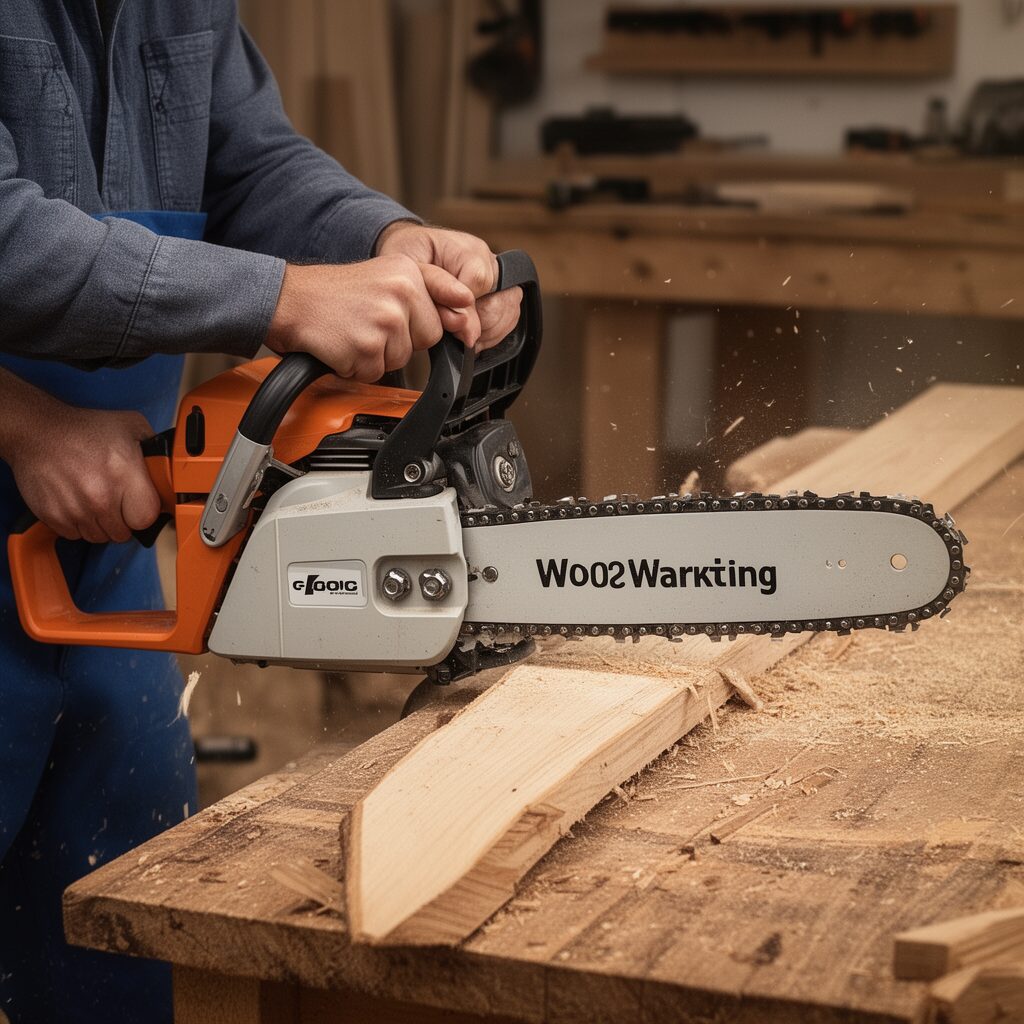
Faced with this reality, I had to adapt. The chatbot’s bizarre suggestion to buy a chainsaw suddenly made sense. I needed to find a new way to express myself and make a living. Embracing the world of woodworking and the art of crafting with my hands became my new passion.
Turning to chainsaws and lumber was not just about survival; it was a way to reconnect with the land and my family’s history. As I carved pieces of wood into functional art, I felt a sense of fulfillment that had been missing from my writing. My creativity found a new outlet, and I discovered a community of fellow woodworkers who shared their experiences and techniques.
## Embracing Change
While it’s easy to fear the rise of AI and automation, sometimes it leads us down unexpected paths. Losing my job as a copywriter was painful, but it opened doors I never imagined. I learned that embracing change can lead to growth and new opportunities, even in the face of adversity.
As I continue to navigate this evolving landscape, I encourage others to reflect on their own journeys. Whether you’re a writer, a factory worker, or in any profession facing uncertainty, remember that change can breed innovation. Embrace it and explore new avenues; you may discover your next passion waiting just around the corner.
In a world where AI continues to reshape our careers, it’s essential to remain adaptable. My journey from writing to woodworking serves as a reminder that sometimes the most unconventional advice can lead to the most fulfilling paths.