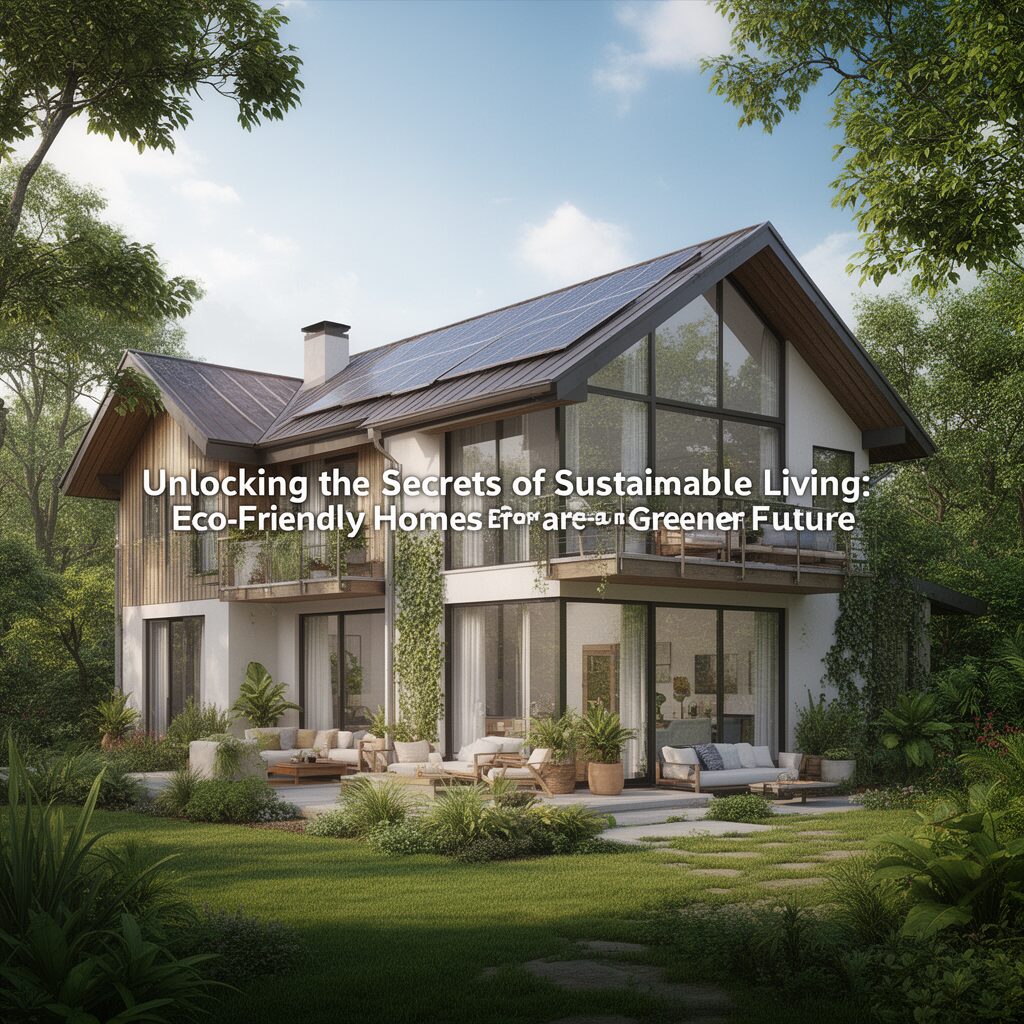
As the world grapples with the pressing issue of climate change, the need for sustainable living has never been more pressing. One of the most significant steps we can take towards reducing our carbon footprint is by opting for eco-friendly homes. Not only do these homes minimize harm to the environment, but they also provide a healthier living space for their inhabitants.
The concept of eco-friendly homes has been around for decades, but it has gained significant momentum in recent years. With the rise of green architecture and sustainable building materials, homeowners have a wide range of options to choose from. From passive houses to net-zero homes, there are numerous designs and materials available that cater to different budgets and preferences.
## The Benefits of Eco-Friendly Homes
Eco-friendly homes offer a multitude of benefits, both for the environment and for the people living in them. Some of the most significant advantages include:
– Reduced energy consumption: Eco-friendly homes are designed to minimize energy consumption, resulting in lower utility bills and reduced carbon emissions.
– Improved indoor air quality: Eco-friendly homes are built with sustainable materials that do not release toxins or pollutants, providing a healthier living space for occupants.
– Increased durability: Eco-friendly homes are built to last, with materials that can withstand the test of time and require minimal maintenance.
– Enhanced aesthetic appeal: Eco-friendly homes often feature unique and sustainable designs that add to their aesthetic appeal.
## Sustainable Building Materials
The choice of building materials plays a significant role in determining the eco-friendliness of a home. Some of the most popular sustainable building materials include:
– Recycled materials: Using recycled materials such as reclaimed wood, recycled glass, and salvaged steel reduces the demand for virgin materials and minimizes waste.
– Sustainable wood: Sustainable wood products, such as FSC-certified wood, are harvested from managed forests and do not contribute to deforestation.
– Low-VOC paints: Low-VOC (volatile organic compound) paints are a healthier alternative to traditional paints, emitting fewer toxins and pollutants.
– Insulated concrete forms: Insulated concrete forms (ICFs) provide superior thermal insulation, reducing energy consumption and minimizing heat loss.
## The Future of Sustainable Living
As the world continues to grapple with the challenges of climate change, the demand for sustainable living is only set to increase. Eco-friendly homes are no longer a nice-to-have, but a must-have for a greener future. With the rise of green architecture and sustainable building materials, homeowners have a wide range of options to choose from. By opting for eco-friendly homes, we can reduce our carbon footprint, improve indoor air quality, and create a healthier living space for ourselves and future generations.
In conclusion, eco-friendly homes are a vital step towards a greener future. By choosing sustainable building materials, reducing energy consumption, and improving indoor air quality, we can create a healthier and more sustainable living space. So, the next time you’re considering building or renovating a home, remember the importance of eco-friendly homes and take the first step towards a more sustainable future.