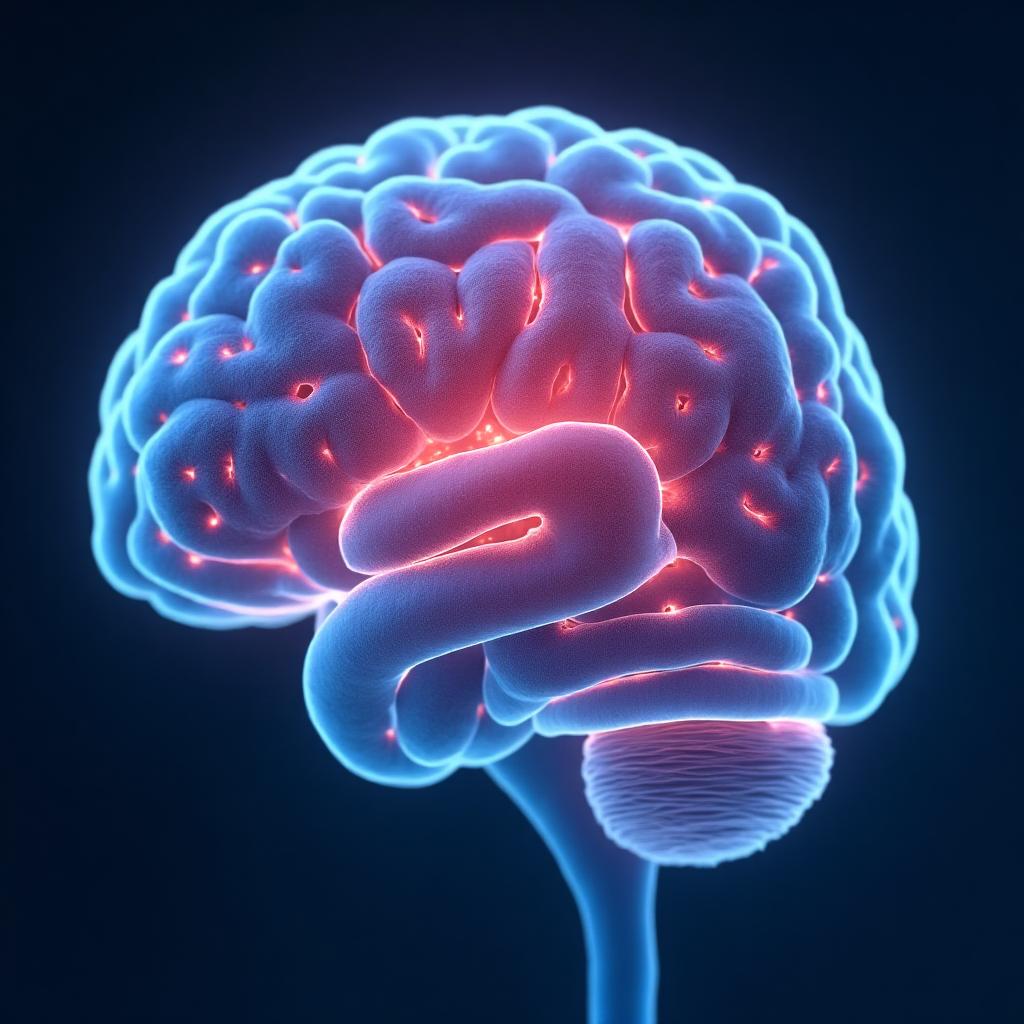
Imagine being able to grow a miniature brain in a lab, complete with all the complexities and nuances of the human mind. This is the realm of organoids, tiny, self-organizing clusters of cells that are revolutionizing the field of neuroscience research. In a recent interview, News-Medical spoke with Rosanna Zhang from ACROBiosystems about the potential of organoids in disease modeling.
## The Rise of Organoids
Organoids have been around for a while, but their application in neuroscience research has gained significant traction in recent years. These miniature brains are grown from stem cells, which can be derived from various sources, including human embryos, induced pluripotent stem cells (iPSCs), or even adult cells. The resulting organoids can mimic the structure and function of various brain regions, making them an attractive tool for researchers.
Rosanna Zhang, an expert in the field, emphasizes the importance of organoids in disease modeling: ‘Organoids offer a unique opportunity to study the progression of neurological diseases in a more controlled and personalized manner.’ By creating organoids that mimic specific brain conditions, researchers can gain valuable insights into the underlying mechanisms of the disease, which can ultimately lead to the development of more effective treatments.
## A Step Beyond Traditional Models
Traditional animal models have been the cornerstone of neuroscience research for decades, but they come with their own set of limitations. Animal models can be expensive, time-consuming, and may not accurately replicate the complexities of human brain function. In contrast, organoids offer a more precise and efficient way to study neurological diseases. ‘With organoids, we can generate multiple models of the same disease in a relatively short period,’ says Rosanna. ‘This allows us to explore different aspects of the disease and identify potential therapeutic targets.’
## The Future of Organoid Research
As organoid technology continues to advance, we can expect to see significant breakthroughs in our understanding of the human brain. By leveraging the potential of organoids, researchers can unlock new avenues of investigation, from the study of neurological disorders to the development of novel therapeutics. ‘The future of organoid research is vast and exciting,’ concludes Rosanna. ‘As we continue to push the boundaries of what’s possible, we may uncover new secrets about the human brain and develop innovative treatments for neurological diseases.’
In the world of neuroscience research, organoids are no longer a novelty, but a game-changer. By harnessing the power of these miniature brains, scientists can gain a deeper understanding of the complexities of the human mind and unlock new treatments for devastating neurological disorders. The future of organoid research holds tremendous promise, and it’s an exciting time to be involved in this rapidly evolving field.