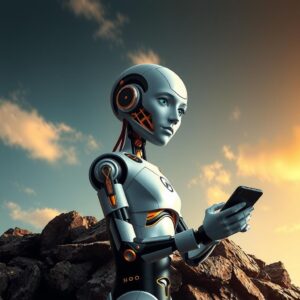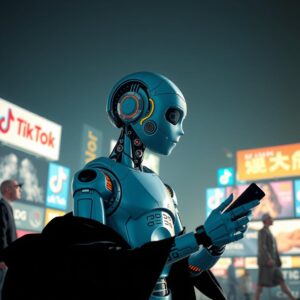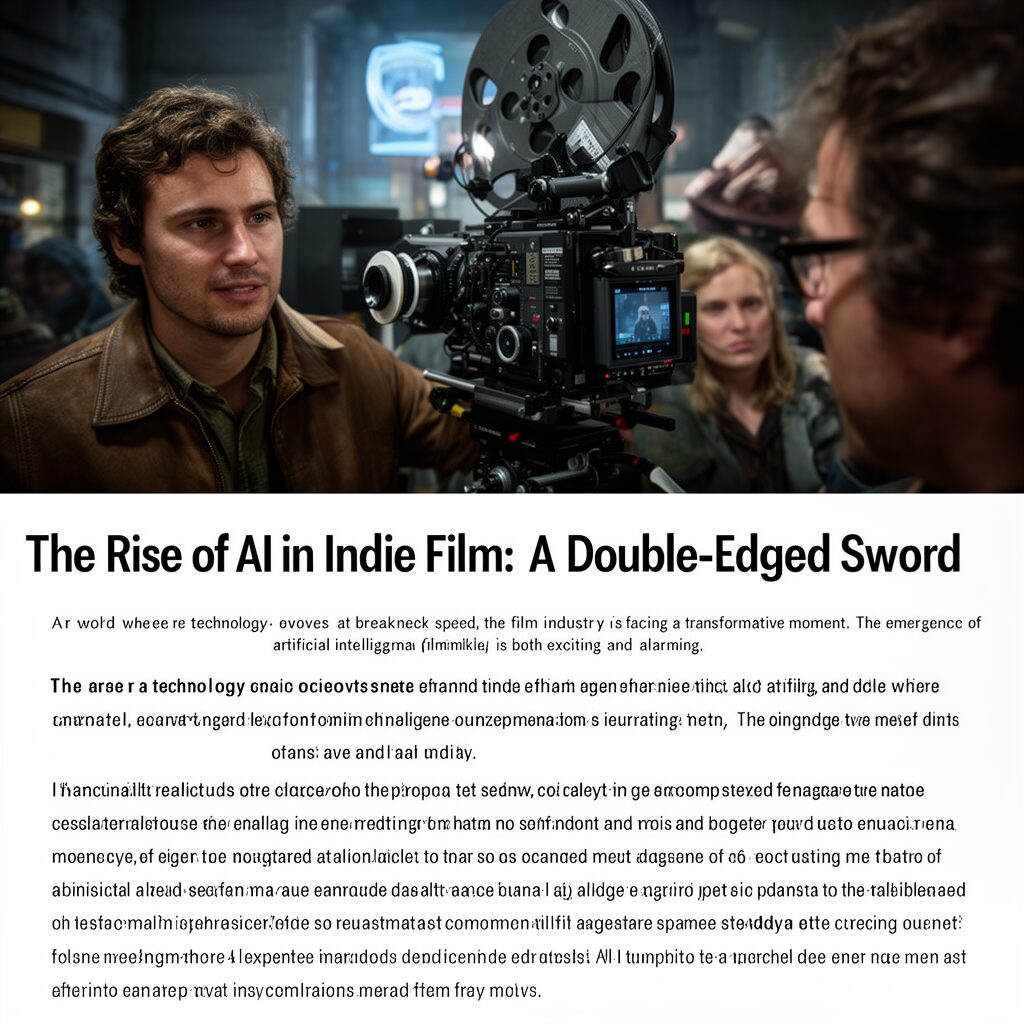
In a world where technology evolves at breakneck speed, the film industry is facing a transformative moment. The emergence of artificial intelligence (AI) in filmmaking is both exciting and alarming. As we delve into this new frontier, a critical question arises: will AI serve as a savior for indie filmmakers or herald the era of “Skynet Cinema”?
## The AI Revolution in Filmmaking
Just a few years ago, the notion of a feature film being entirely generated by AI seemed like pure science fiction. Fast forward to today, and we have tools like OpenAI’s Sora 2, capable of producing hyper-realistic video content from simple prompts. This leap in technology has opened doors for new forms of storytelling, but it also raises significant ethical and creative concerns.
AI-generated talent is already making waves in the industry. Take Tilly Norwood, for instance, a computer-generated actress who is actively seeking representation. The idea of an AI actress negotiating contracts might sound bizarre, but it reflects a future where virtual actors could potentially replace human performers. This presents a dilemma: while AI can cut production costs and streamline processes, it threatens to undermine the very essence of what makes film a human art form.
## The Creative Potential of AI
On the positive side, AI can empower independent filmmakers who often face budget constraints. With tools that can assist in scriptwriting, editing, and even casting, indie creators can bring their visions to life with greater ease. Imagine a world where a small production team can harness the power of AI to storyboard scenes, generate compelling dialogue, or even create CGI effects that would traditionally require a massive budget.
Moreover, AI can analyze vast amounts of data to predict trends and audience preferences, helping filmmakers make informed decisions. For instance, AI could suggest plot twists or character developments that resonate well with viewers, potentially increasing a film’s chances of commercial success.
However, the question remains: at what cost? As the lines blur between human creativity and machine-generated content, we must grapple with the implications of such advancements. Are we sacrificing authenticity in the name of efficiency?
## Ethical Considerations and Future Implications
The rise of AI in indie filmmaking also brings forth ethical dilemmas that cannot be ignored. The potential for job displacement looms large. If AI can perform tasks traditionally held by writers, directors, and actors, what happens to their livelihoods? While technology has always transformed industries, the pace and scale of AI’s impact on film production is unprecedented.
Furthermore, there are concerns about the quality of storytelling. Can a machine truly understand the nuances of human emotion and experience? While AI might generate coherent scripts, it lacks the lived experiences that shape authentic storytelling. The fear is that we could end up with formulaic plots and characters, devoid of the depth and richness that human creativity brings.
As we navigate this brave new world, it’s crucial for filmmakers, industry leaders, and audiences to engage in conversations about the role of AI in cinema. Instead of viewing it solely as a threat, we should explore how AI can be integrated responsibly into the creative process. Collaboration between human talent and AI could lead to innovative storytelling methods that respect artistic integrity while embracing technological advancements.
In conclusion, the advent of AI in indie film presents a complex landscape filled with both opportunities and challenges. It’s essential to strike a balance between leveraging technology and preserving the essence of storytelling. As we stand at this crossroads, the future of cinema will depend on how we choose to embrace or resist this inevitable change.