The rapid proliferation of artificial intelligence (AI) in medicine has brought about a significant shift in the way healthcare professionals approach patient care. In the realm of cardiology, AI-based technologies hold immense potential for improving and streamlining cardiac care within healthcare systems. One notable example of this is the Heart+ remote cardiac monitoring platform developed by 91Life. This cloud-native, AI-driven system aims to optimize in-clinic and remote monitoring of cardiac-implantable electronic devices, ambulatory electrocardiogram (ECGs), and wearable devices.
## Current Landscapes: AI in Cardiac Care
The current landscape of AI use in cardiac care within healthcare systems is rapidly evolving, with ambient listening technology for clinical note generation being one of the most rapidly adopted AI technologies. These systems have the potential to increase clinician efficiency, decrease burnout, and improve the patient experience. As clinical decision support tools become embedded in these technologies, they have the potential to be a powerful lever for increasing evidence-based care.
## Expert Insights: Dr. Faraz Ahmad and Dr. Marie-Noelle Langan
We spoke with Dr. Faraz Ahmad, associate director of the Bluhm Cardiovascular Institute Center for Artificial Intelligence at Northwestern Medicine, and Dr. Marie-Noelle Langan, former director of operations in the electrophysiology division at Mount Sinai and chief medical advisor at 91Life. Dr. Ahmad highlighted the significant potential benefits of AI in cardiac care, including improving care delivery systems, patient care, and patient outcomes. However, he also emphasized the need for thoughtful evaluation of these technologies and the risk for unintended consequences.
Dr. Langan shared her insights on the implementation of Heart+ at Mount Sinai and Yale, noting that the technology has been in use for almost 3 years and has received positive feedback from physicians and patients. She emphasized the importance of clinician education on how to utilize AI as part of clinical care.
## The Future of Cardiology: Addressing Unmet Needs
Dr. Ahmad identified several unmet needs in AI for cardiac care, including the need to determine whether these technologies achieve their stated goals, reduce administrative burden, increase patient activation, and improve outcomes. He also emphasized the importance of improving clinician education on how to utilize AI as part of clinical care.
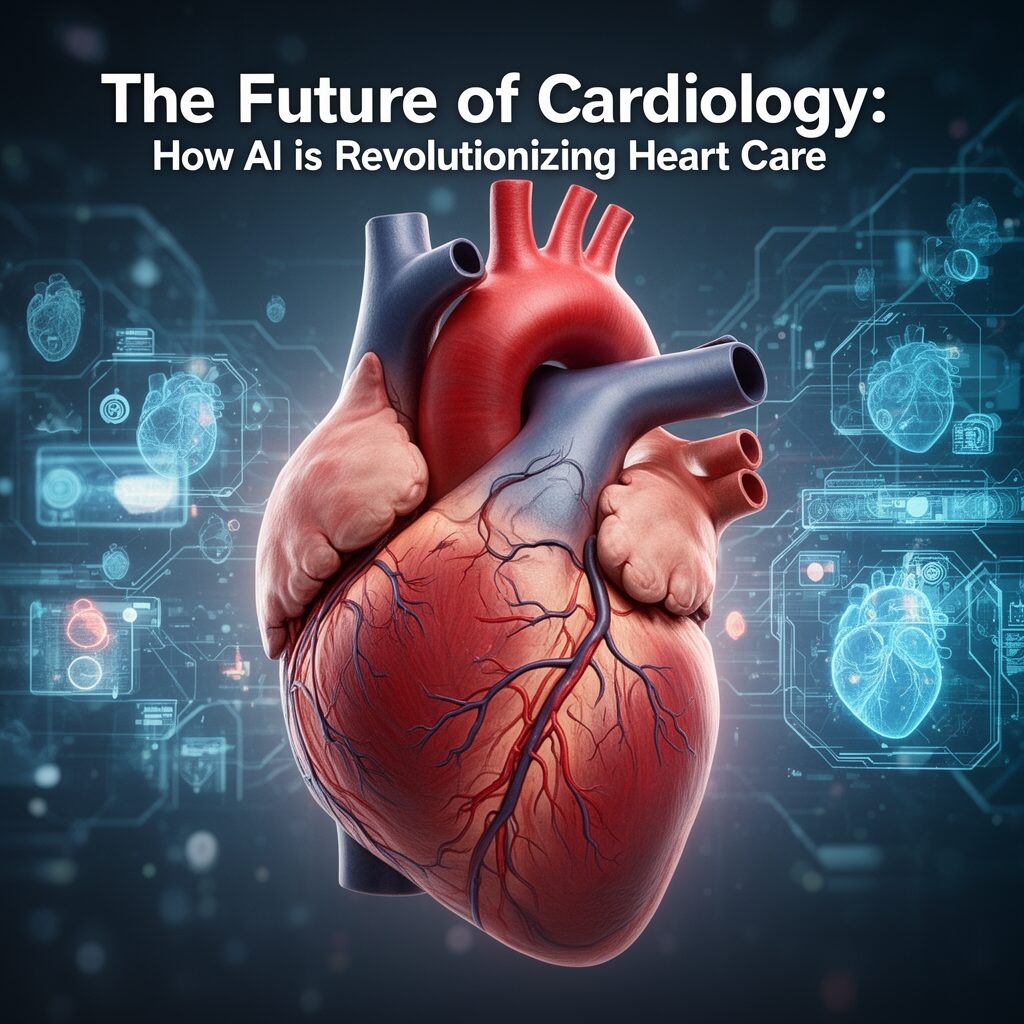
As AI continues to revolutionize the field of cardiology, it is essential to address these unmet needs and ensure that these technologies are used in a way that improves patient care and outcomes. With the rapid pace of innovation in this field, it is likely that we will see significant advancements in the coming years. By staying informed and equipped, clinicians can harness the power of AI to deliver better care to their patients.