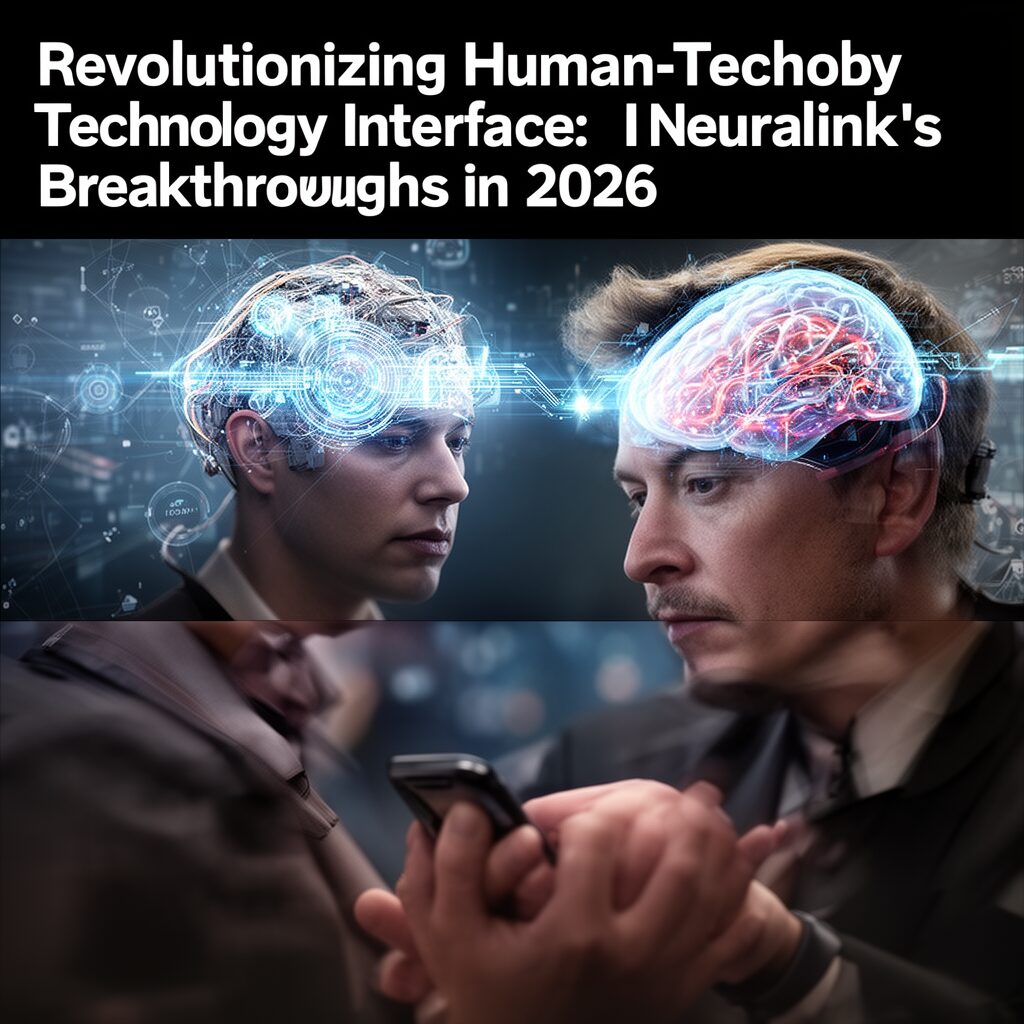
Imagine being able to control your smartphone or computer with just your thoughts. Sounds like science fiction, but for those following the groundbreaking work of Elon Musk’s Neuralink, this futuristic reality is just around the corner. In a recent update, Neuralink announced its ambitious plans to launch mass production of brain implants in 2026, marking a significant step towards the development of a seamless human-technology interface.
## The Dawn of a New Era in Neurotechnology
Neuralink, a neurotechnology company founded by Elon Musk in 2016, has been working tirelessly to develop implantable brain–machine interfaces (BMIs). These BMIs, or ‘neural lace,’ as Musk calls them, are designed to enable people to control technology with their minds. The company’s mission is to help humans keep pace with the rapid advancement of artificial intelligence, ensuring that humans remain an integral part of the technological landscape.
The surgical procedure for implanting these brain chips is a complex and intricate process that requires a high degree of precision and skill. However, Neuralink is now working on fully automating this procedure, which would significantly reduce the risk of human error and pave the way for more widespread adoption of this technology. By automating the implantation process, Neuralink aims to make its brain implants more accessible and user-friendly, bridging the gap between humans and technology.
## A Future Where Humans and Technology Coexist
The potential applications of Neuralink’s technology are vast and varied. In the realm of healthcare, these brain implants could be used to restore motor function in individuals with paralysis or ALS, allowing them to control prosthetic limbs with their thoughts. In the field of entertainment, Neuralink’s technology could revolutionize the way we interact with video games, enabling players to control the action with their minds. The possibilities are endless, and it’s not hard to imagine a future where humans and technology coexist in perfect harmony.
## The Road Ahead: Challenges and Opportunities
As Neuralink prepares to launch mass production of its brain implants, the company will undoubtedly face numerous challenges. One of the primary concerns is the potential risks associated with implanting electronic devices in the human brain. Neuralink has been working closely with regulatory bodies to ensure that its technology meets the highest safety standards, but there is still much to be learned about the long-term effects of these implants.
Despite these challenges, the potential benefits of Neuralink’s technology are undeniable. As we embark on this new chapter in human-technology interface, we must also acknowledge the opportunities that arise. The development of Neuralink’s brain implants has the potential to transform the way we live, work, and interact with one another. By embracing this technology, we can unlock new possibilities for human growth and development, creating a brighter future for generations to come.
As we look to the future, one thing is certain: the human-technology interface is about to undergo a revolution. With Neuralink at the forefront of this movement, we can expect to see significant breakthroughs in the years to come. Whether you’re a skeptic or a believer, one thing is clear: the future of human-technology interface is here, and it’s going to be a wild ride.