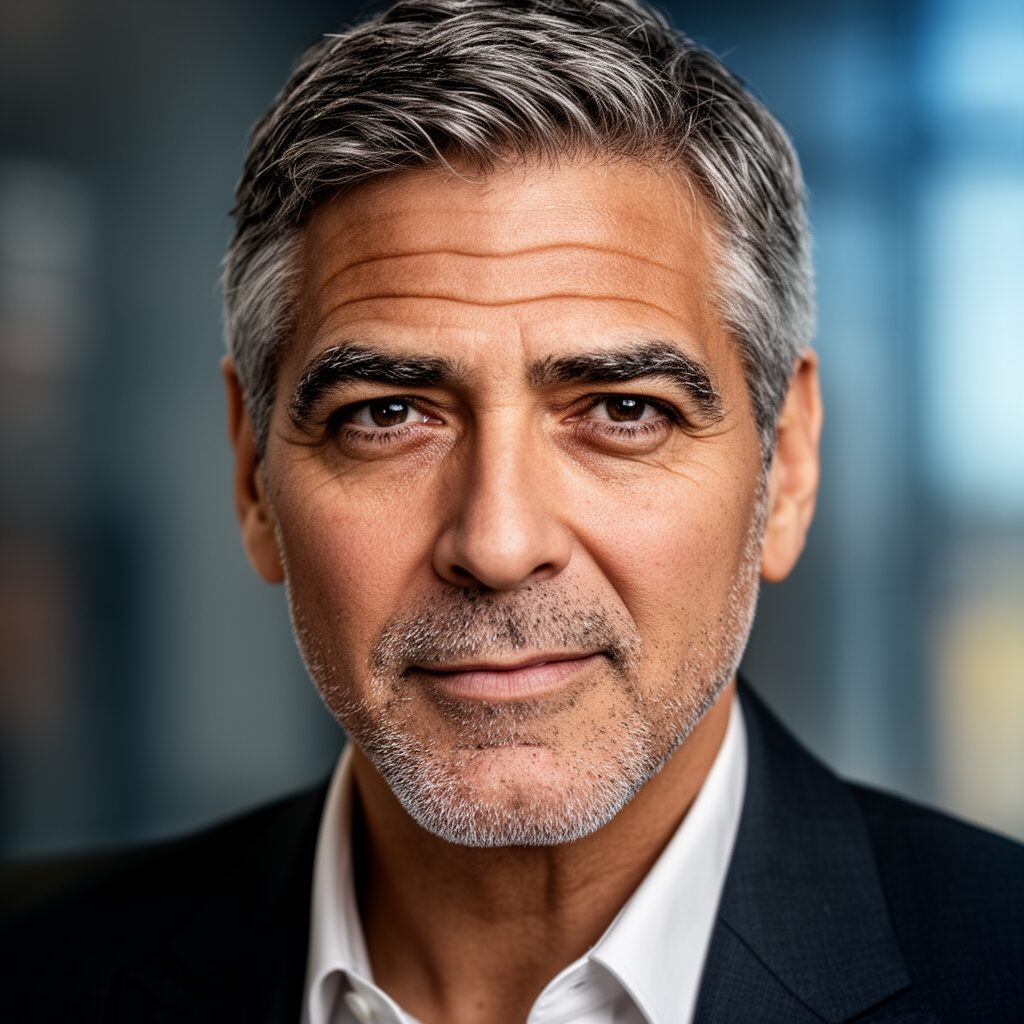
George Clooney has joined the growing chorus of Hollywood stars voicing concern over the rise of artificial intelligence, particularly the dangers posed by deepfake technology. In a recent conversation, he described the situation as an unprecedented identity crisis for the film industry. Clooney’s candid remarks highlight the pressing need for awareness and regulation in an age where technology can manipulate reality.
## The Dangers of Deepfakes
Calling these AI-generated videos “dangerous,” Clooney shared his personal experiences with deepfakes that misrepresent him. He expressed, “There’s been some really awful ones where they’ve done and said things that I’ve never done and said and put me out there, and it’s dangerous.” Such misrepresentation not only threatens entertainers but can also have serious implications for their families. Clooney remarked, “It’s complicated, but the genie is out of the bottle and I’m not quite sure what we’re gonna do.”
The actor’s concerns are echoed by many in Hollywood, as the sophistication of AI technology continues to advance at a rapid pace. The introduction of new tools, specifically OpenAI’s Sora 2, has raised alarms across the industry, marking a significant turning point in the conversation about AI in entertainment.
## Sora 2: A Game Changer
Clooney specifically pointed to Sora 2 as a pivotal moment that shook Hollywood. This latest text-to-video model from OpenAI has shown impressive capabilities, generating highly realistic video content from simple text prompts. “That shook everybody because suddenly the quality was much better, and it’s scary,” he noted.
When the earlier version of Sora was released, filmmakers were already impressed by its photorealistic capabilities. However, Sora 2 has taken things a step further, enabling the creation of movie-quality footage. For an industry built on storytelling through visuals, such advancements can feel like a plot twist no one saw coming.
Historically, Hollywood studios have utilized AI for special effects, dubbing, and de-aging actors. Still, the leap to fully produced scenes and performances without human involvement raises questions about the future role of actors and filmmakers. Clooney, however, remains cautiously optimistic. He believes that while AI can mimic appearances and voices, it cannot replicate the essence of stardom. “Making a star is not so easy,” he said. “It’s something unusual and it’s hard to detect.”
## The Fight Against AI Encroachment
Clooney’s warnings come at a critical time as the entertainment industry grapples with the aftermath of significant writers’ and actors’ strikes from the previous year. These protests were largely motivated by fears that AI could encroach on creative roles, leading many to feel threatened in their professions. The Writers Guild of America fought hard to ensure that studios could not replace human screenwriters with AI-generated scripts, highlighting the urgency of the issue.
As the landscape of Hollywood continues to evolve, the challenge remains: how to balance the integration of advanced technology while preserving the human element that makes storytelling unique. Clooney’s insights serve as a reminder that while technology progresses, the irreplaceable qualities of human creativity and emotion should always be prioritized. As we move forward, the need for thoughtful discourse and regulation regarding AI in entertainment will be more crucial than ever.