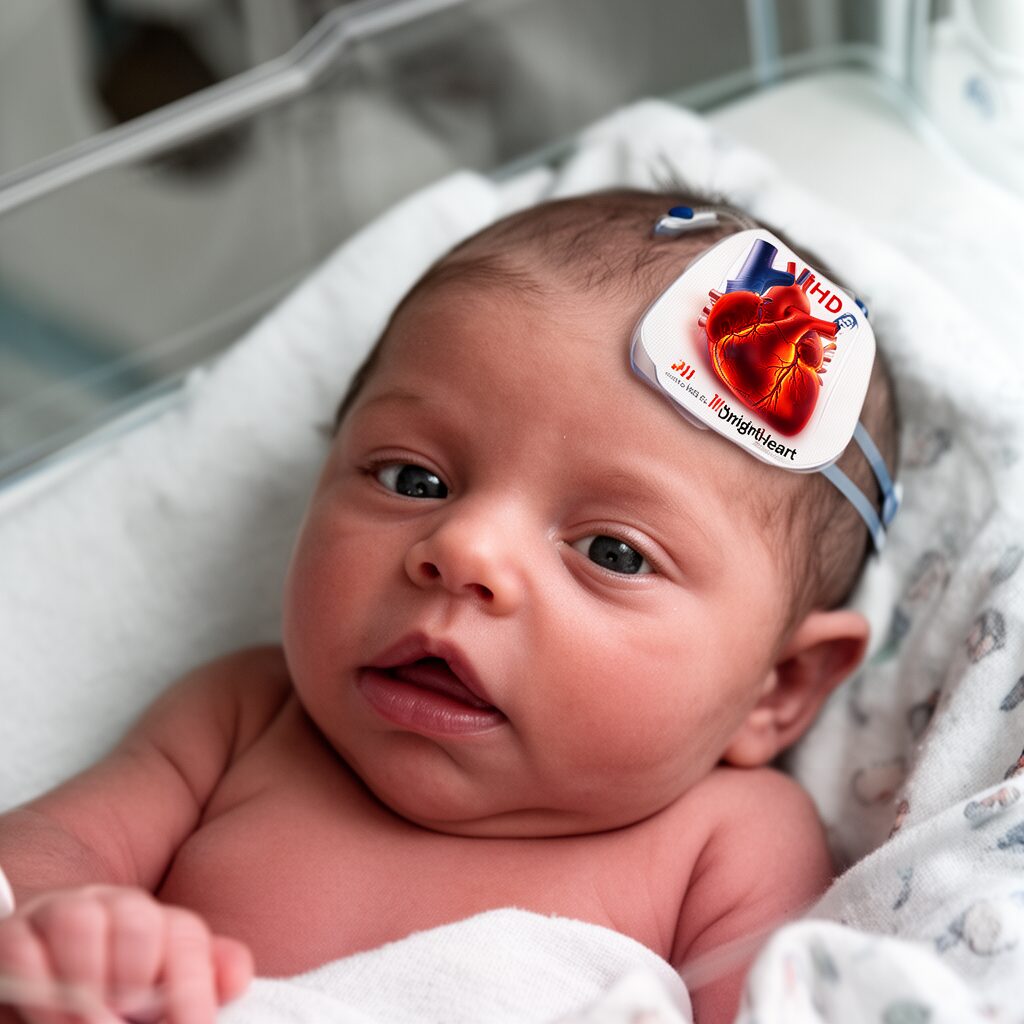
Imagine a world where newborns with congenital heart defects (CHDs) receive timely and accurate diagnoses, paving the way for life-changing treatments. This reality is closer than you think, thanks to BrightHeart’s groundbreaking AI-based prenatal CHD screening platform. In a significant milestone, the French company has raised €11m ($12.8m) in funding to accelerate the commercialization of its B-Right platform, which is already gaining traction in the US.
## The Power of AI in Heart Defect Detection
BrightHeart’s B-Right platform uses artificial intelligence to identify structural markers suggestive of CHDs in second-trimester fetal ultrasound images. This innovative approach has caught the attention of regulatory bodies, with the US Food and Drug Administration (FDA) granting clearance to the platform in November 2024. But what sets B-Right apart from conventional methods?
The answer lies in its ability to streamline clinical workflows, improve diagnostic accuracy, and enhance patient outcomes. In a study presented at the 2025 Society for Maternal-Fetal Medicine (SMFM) Pregnancy Meeting in Colorado, BrightHeart’s AI software demonstrated a 15.3% increase in sensitivity, while also reducing read time among specialists by 18%. These remarkable results underscore the potential of AI in revolutionizing heart defect detection.
## Expanding Reach, Enhancing Impact
With the latest funding, BrightHeart plans to expand its B-Right platform across healthcare facilities in the US. Currently, the platform is in use at a limited range of facilities, including New York’s Mount Sinai Hospital. The company’s CEO, Cécile Dupont, is excited about the prospect of making AI the new standard of care in prenatal ultrasound. ‘This new round of funding empowers us to accelerate BrightHeart’s mission,’ she said, ‘and enhance diagnostic accuracy, improve outcomes for families and babies, and streamline clinical workflows for healthcare professionals.’
## A Growing Market with Endless Potential
The demand for AI-powered heart defect detection is on the rise, and BrightHeart is poised to capitalize on this trend. According to GlobalData analysis, AI in healthcare is forecast to reach a $19bn valuation by 2027. In the realm of medical imaging, AI is having a profound impact, with applications extending far beyond heart defect detection. Marissa Fayer, CEO at DeepLook Medical, aptly described the potential of AI in imaging as ‘endless.’
The success of BrightHeart’s B-Right platform is a testament to the power of innovation in healthcare. As the company continues to push the boundaries of AI-powered heart defect detection, one thing is clear: the future of prenatal diagnosis is brighter than ever.